
How Far in Advance Should You Book the Bernina Express?
The short answer: as early as you possibly can, especially for summer travel. The Bernina Express runs between Chur or St. Moritz and Tirano in Italy, crossing some of the most dramatic mountain scenery in Europe. That reputation means demand is consistently high, and the train has limited panoramic car capacity.
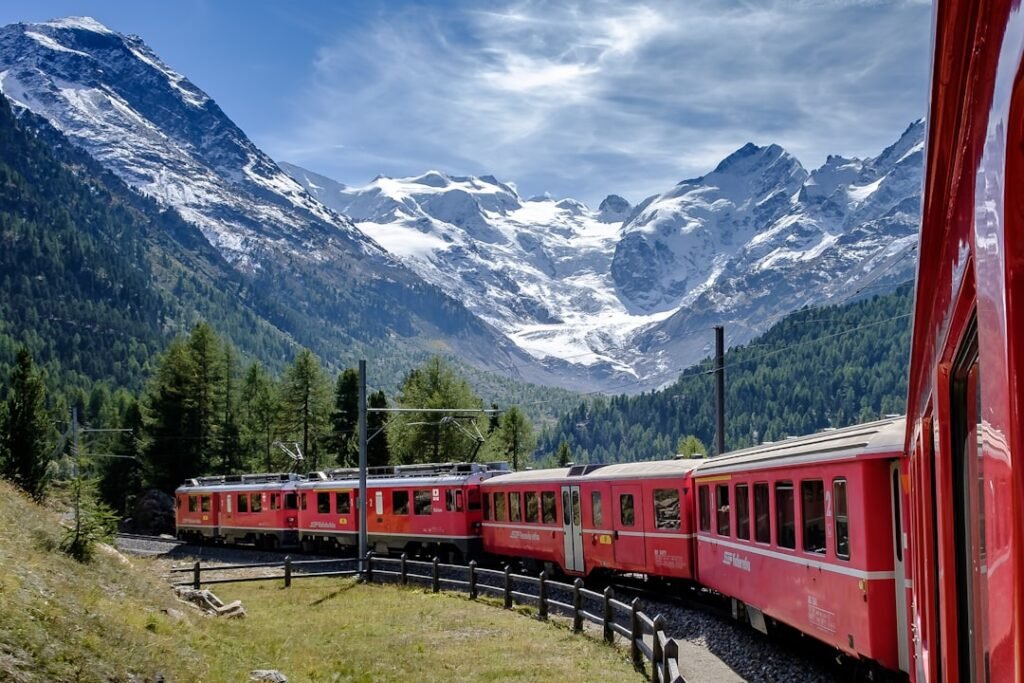
For travel between June and September, booking at least two to three months ahead is a smart move. July and August are peak months, when families, tour groups, and rail enthusiasts all compete for the same window seats. If you are planning a summer trip in 2026, opening your booking calendar in April or May gives you a real advantage. Rhätische Bahn, the operator, typically opens reservations around three months before departure.
For shoulder season travel in May, early June, or October, four to six weeks in advance is usually sufficient, though weekends still fill up fast. The autumn foliage along the route, particularly around the Poschiavo valley, draws a dedicated crowd, so do not assume October is quiet.
Winter travel on the Bernina Express is a genuinely different experience. The route transforms into a snow-covered spectacle, and while overall passenger numbers drop, the Christmas and New Year period is surprisingly popular. Book winter holiday dates at least six weeks out. For January and February outside of holidays, two to three weeks is typically fine.
One detail many travelers overlook: a seat reservation on the Bernina Express is mandatory and sold separately from your rail pass or ticket. A Swiss Travel Pass covers the fare, but you still need to pay for and reserve a panoramic car seat. Missing that step has caught out plenty of visitors who assumed their pass covered everything.
Best Times of Year to Ride and What to Expect
Timing your booking also means thinking about which season suits your travel style. Each season on the Bernina Express offers something genuinely distinct, and the right choice depends on what you want to see out the window.
Summer brings lush alpine meadows, cascading waterfalls, and long daylight hours that let you soak in every curve and viaduct. The iconic Landwasser Viaduct and the sweeping Brusio spiral are best appreciated in clear summer light. If you are also considering other classic Swiss rail journeys, the Swiss Alps train tour from Zurich with Glacier Express pairs beautifully with a Bernina leg for a full alpine rail experience.
Spring, from mid-April through May, offers wildflowers on the lower slopes and far fewer crowds. Snow still caps the high passes around Ospizio Bernina, giving you both seasonal worlds in a single journey. Prices tend to be lower, and getting your preferred seat is much easier.
Autumn is underrated. The larches turn gold across the upper valleys in October, and the softer light makes for stunning photography. Crowds thin out noticeably after the school holidays end in mid-September.
Winter travel on this route has its own magic. The train pushes through snowdrifts, the frozen Lake Bianco sits silver and still, and the whole landscape feels remote in the best possible way. For a guided experience that takes the logistics off your plate, a Bernina train private tour from Milan or St. Moritz is worth considering, particularly in winter when conditions can change quickly.
If you are based in Italy and want a straightforward day trip approach, the Bernina Red Train day trip from Milan is a well-structured option that handles the ticketing complexity for you. No matter the season, getting your reservation sorted early remains the single most important step you can take.